In Tempe, AZ, deciding between FHA and conventional loans often depends on two main factors: how much cash you want to bring to closing and how you prefer your mortgage insurance to work over time. The best loan isn’t just the one with the lowest down payment. It’s the one that matches your approval profile, the home you want, and your monthly budget.
In this guide, I’ll share the quick answer, the first steps I suggest, what lenders really look at, and the key numbers that help buyers in the Phoenix Metro area make a clear decision.
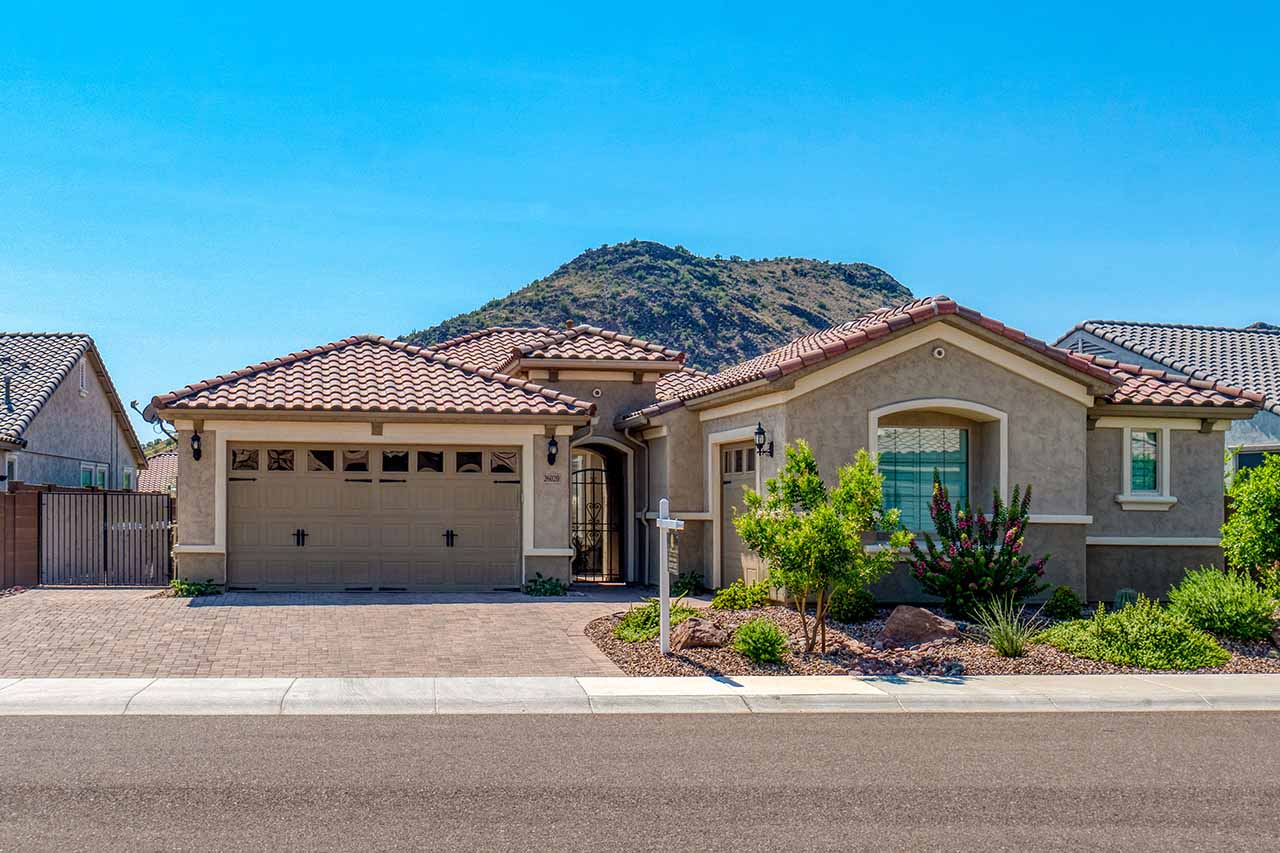


Both FHA and conventional loans are good options in Arizona, but they work differently. FHA loans are often more flexible and chosen for their accessibility. Conventional loans can be a better long-term choice if you want more control over mortgage insurance and overall costs.
Before you compare FHA and conventional loans, figure out your price range and how much cash you can bring to closing. Don’t get caught up in “minimum down payment” headlines. What matters most is your total monthly payment, including mortgage insurance, and the funds you can show for closing.
To avoid surprises, gather your documents early so your pre-approval is based on real income, assets, and debts, not guesses. Then, we can compare both loan options and see which one fits your timeline and goals.
Checklist:
If you want to compare FHA and conventional options with real numbers, start here: home mortgage loans
Once you submit your documents, approval is about more than just your credit score and down payment. Lenders check how your income is counted, how your debts are calculated, which funds are allowed, and if the property meets loan requirements. FHA and conventional loans often look at similar things, but their rules and how they handle details can be different.
The type of home you want also matters. Condos, HOA rules, and homes needing repairs can add extra steps. It’s better to know about these early instead of finding out in the middle of your contract.
The choice between FHA and conventional usually comes down to cash to close, monthly payment, and how mortgage insurance works. Both options might look similar at first, but the total monthly cost and how long you’ll pay mortgage insurance often make the difference.
Simple example (easy math)
Scenario: You’re buying a $400,000 home.
If FHA requires 3.5% down, that’s $14,000 down. If conventional is 5% down, that’s $20,000 down.
Why this matters: A lower down payment means less cash upfront, but you should still compare the full monthly payment, including mortgage insurance, to find the best long-term fit.
Most problems with choosing a loan happen when buyers focus on just one benefit and miss the bigger picture. Here are the mistakes I see most often and how to fix them.
In Tempe and the Phoenix Metro area, many buyers compare FHA and conventional loans when shopping for condos, townhomes, or older homes, since appraisals and property conditions can be important. In competitive areas, speed and certainty matter, so it’s smart to look at both options early. This way, if a property or appraisal issue makes one loan harder, you won’t have to start over during your contract.
If down payment is the constraint that’s pushing you toward FHA, it’s worth reviewing Arizona Down Payment Assistance options.
There’s a lot of noise online, like quick quotes, generic calculators, and advice that doesn’t match real underwriting. I do this work every day, and my job is to help you make a decision that fits your situation, not just follow a marketing headline.
If you’re choosing between FHA and conventional loans, I can help you compare both options using real numbers, realistic timelines, and the right expectations for the home you want in Tempe or anywhere in the Phoenix Metro.
If you want a quick, no-pressure plan for your situation, reach out here:

Justin Toenjes (ten-yes) is a highly accomplished finance professional with a strong background in mortgage banking and a passion for helping individuals achieve their financial goals.
Join 900+ Subscribers and updated on the newest posts by Toenjes Home Loans.







Loan Officer – Justin Toenjes – LO Licensing: AZ-LO-0912116, CO-100032832 | NMLS-167048 | NMLS-6274
LO Licensing: Kathi Alosi, AZ-LO-0914249 NMLS-259189
Peoples Mortgage – 11201 N Tatum Blvd, Suite 140, Phoenix, AZ 85028
Company Licensing: Peoples Mortgage Company, A DBA of Moria Development, Inc. AZ-BK-0904164, CO – Regulated by the Division of Real Estate | NMLS-6274 www.peoplesmortgage.com/privacy-policy – Regulated by the Division of Real Estate peoplesmortgage.com/license NMLS-6274 (Equal Housing Lender)
Peoples Mortgage: 2055 E Centennial Circle – Tempe, AZ 85284
By clicking “Accept All Cookies”, you agree to the storing of cookies in your browser to enhance site navigation, analyze site usage, and provide our ad partners with information for ad personalization and measurement. Please see our ‘Privacy Policy‘ for more information.